NFL Weather Impact on Betting: Wind, Rain, Snow and Totals Strategy
 Available in US
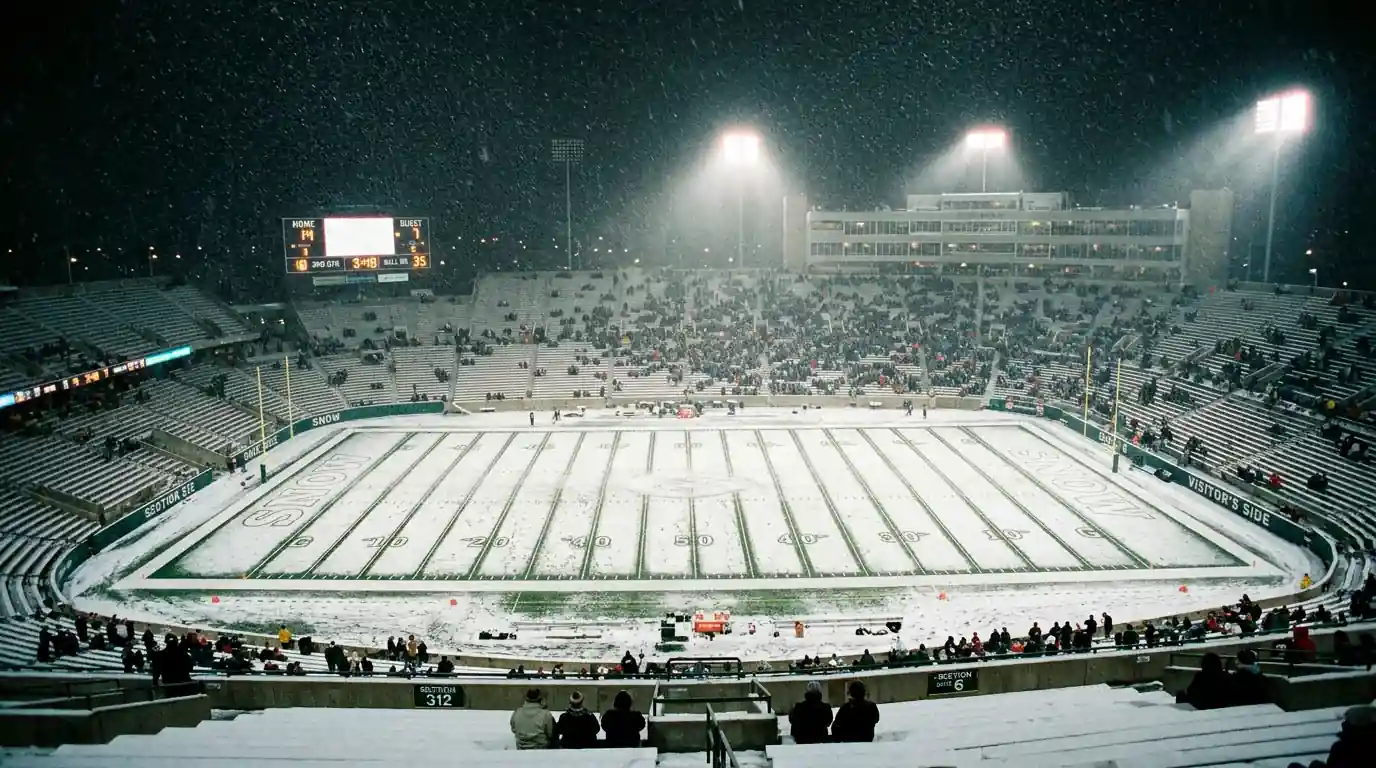
December 2024, Buffalo. Kickoff temperature minus eight, wind gusting above 40 miles per hour, and the total was still sitting at 43.5. I hammered the under before most bettors had checked the forecast. The game finished 13-10. Weather is the single most underpriced factor in NFL totals betting, and it gives you an edge precisely because the public doesn’t want to think about meteorology when they’re betting on football.
Eight NFL stadiums have retractable roofs. Eight more are fully enclosed domes. That leaves 16 venues exposed to whatever the sky delivers between September and February. In those 16 stadiums, weather is not background noise — it’s a variable that directly affects passing accuracy, kicking distance, ball security, and offensive play-calling. If you’re betting NFL totals without checking the weather forecast, you’re leaving money on the table every single week.
Wind: The Silent Spread Mover
Wind is the weather variable with the clearest, most consistent impact on NFL outcomes. At sustained speeds above 15 miles per hour, passing accuracy drops measurably. Quarterbacks underthrow deep balls into the wind and overthrow them with the wind at their back. Timing routes — slants, curls, comebacks — lose their rhythm because the ball doesn’t arrive where it should. And kicking becomes unreliable above 20 mph, with field goal accuracy falling off a cliff beyond 40 yards.
I track wind speed at kickoff for every outdoor NFL game and have found a consistent pattern over six seasons. Games played with sustained wind above 15 mph see totals drop by an average of four to six points compared to comparable matchups in calm conditions. The market adjusts for extreme wind — when gusts hit 30-plus, the total moves noticeably — but underadjusts for moderate wind in the 15-20 mph range. That middle band is where the value sits, because the public doesn’t notice moderate wind the way it notices a blizzard.
Wind also creates asymmetric value in live betting. A team with the wind at their back in the first quarter will attempt more downfield passes and longer field goals, inflating their scoring in that period. When they switch ends and face into the wind in the second quarter, their offensive output contracts. The live total adjusts to the first-quarter scoring pace but doesn’t always account for the directional wind shift. 62% of online betting revenue comes from live and in-play markets, and weather-aware in-play bettors can exploit directional wind patterns quarter by quarter.
Rain, Snow, and Slippery Conditions
I used to think snow games always favoured the under. Then I watched a snow game in Pittsburgh where both teams combined for 57 points because the footing was bad enough to prevent defensive backs from changing direction but not bad enough to stop running backs from churning out yards. Snow doesn’t automatically suppress scoring. What it does is shift the offensive balance dramatically toward the run game, and whether that helps or hurts the total depends entirely on the teams involved.
Rain affects the passing game more consistently than snow. A wet ball is harder to grip, harder to throw accurately, and harder to catch. Interceptions increase in rain games, and teams that rely on short, high-frequency passing attacks suffer more than teams built around play-action and the run. When I see rain in the forecast for a game between two pass-heavy teams, the under gets my attention immediately. When the matchup features two strong rushing attacks, rain is less impactful because neither team planned to throw 40 times anyway.
Temperature alone, stripped of wind and precipitation, has a smaller effect than most bettors assume. The human body adapts to cold conditions reasonably well, and NFL players are professional athletes with access to heated benches, hand warmers, and temperature-controlled equipment. Cold becomes a factor only when it combines with other elements: freezing rain, icy wind, or a playing surface that hardens and changes ball bounce characteristics. A 10-degree game in a dome-quality stadium with no wind is not the same as a 10-degree game with 25 mph gusts and frozen turf.
Home-Field Weather Advantage
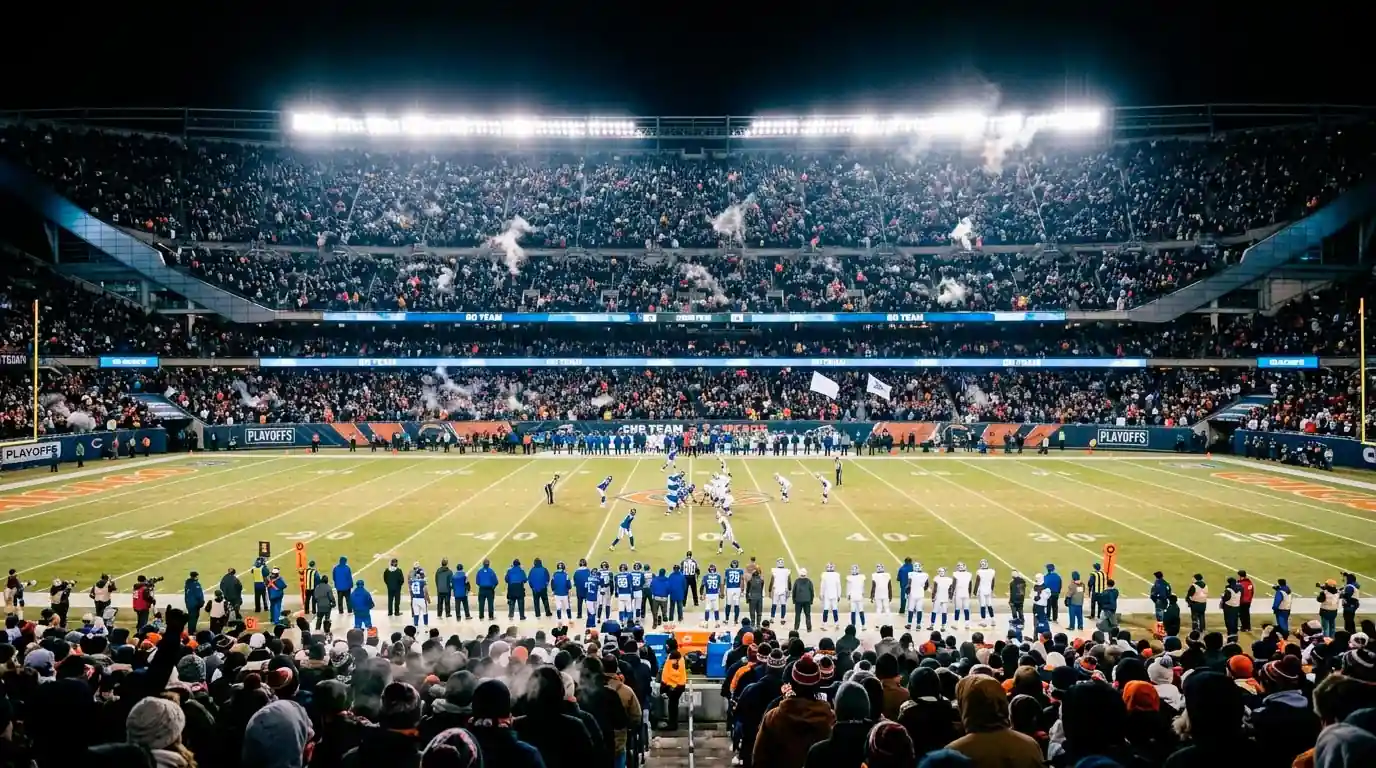
Does playing in bad weather at home give you an edge? The data says yes, but with an important caveat. Teams that play in consistently harsh weather — Green Bay, Buffalo, Chicago, New England — practice in those conditions weekly. Their quarterbacks throw in wind, their kickers practise in cold, and their offensive game plans are built around weather resilience. A visiting team from a dome or warm-weather city faces a genuine adjustment challenge.
The spread market accounts for some of this advantage through the standard home-field adjustment, but it rarely adds an explicit weather premium. When the forecast calls for severe conditions and the home team is a cold-weather franchise hosting a dome team, the spread tends to be about one to two points too generous to the visitor. Over a full season, that one to two points on a handful of games adds up to real profit.
The 47% of British gamblers who prefer sports betting have a natural advantage in assessing weather impacts — the UK’s variable climate breeds an instinctive awareness of how conditions affect outdoor sport that desert-dwelling bettors lack. English football taught us that a waterlogged pitch changes everything. The same principle applies to a rain-soaked NFL field.
Integrating Weather into Your Betting Process
My weather check is the last step in my weekly NFL handicapping routine, and it’s the step that generates the most late-week value. Lines are set on Tuesday and adjusted through the week based on betting action, injury news, and public sentiment. Weather forecasts firm up on Thursday and Friday, meaning that by Saturday, you can compare the current line to the expected conditions with high confidence.
For totals, I apply a simple framework. Wind above 15 mph sustained: subtract three to five points from my projected total and compare to the market. Rain expected throughout the game: subtract two to three points if both teams are pass-heavy, one to two points otherwise. Snow with temperatures below minus five: highly variable, so I check the specific team matchup before adjusting. These aren’t precise scientific calculations. They’re heuristics built from tracking results across hundreds of weather-affected games, and they identify spots where the market total is too high often enough to generate profit over a season.
For spreads, weather favours the team with the better rushing attack and the more reliable defence against the run. When conditions deteriorate, games compress toward the middle — underdogs cover more often, and favourites struggle to pull away. This is because bad weather reduces the skill gap between teams. A quarterback who normally completes 70% of his passes might drop to 58% in heavy wind, while his less talented counterpart drops from 62% to 55%. The gap between them shrinks, and the spread, which was set based on fair-weather performance, no longer reflects the adjusted reality.
How much does wind affect NFL totals betting?
Sustained wind speeds above 15 miles per hour reduce scoring by an average of four to six points compared to calm conditions. The market adjusts for extreme wind but tends to underadjust in the moderate 15-20 mph range, creating consistent value on unders. Wind affects passing accuracy, deep-ball success, and field goal reliability.
Should I always bet the under in NFL snow games?
No. Snow shifts the offensive balance toward the run game but doesn’t automatically suppress scoring. Games between two strong rushing teams in snow can still produce high totals. The under is most valuable in snow games between pass-heavy teams that lack a reliable ground game to compensate for reduced passing efficiency.
Written by the editors at Online Sports Betting nfl.