Super Bowl Betting UK: Odds, Prop Markets and How to Wager
 Available in US
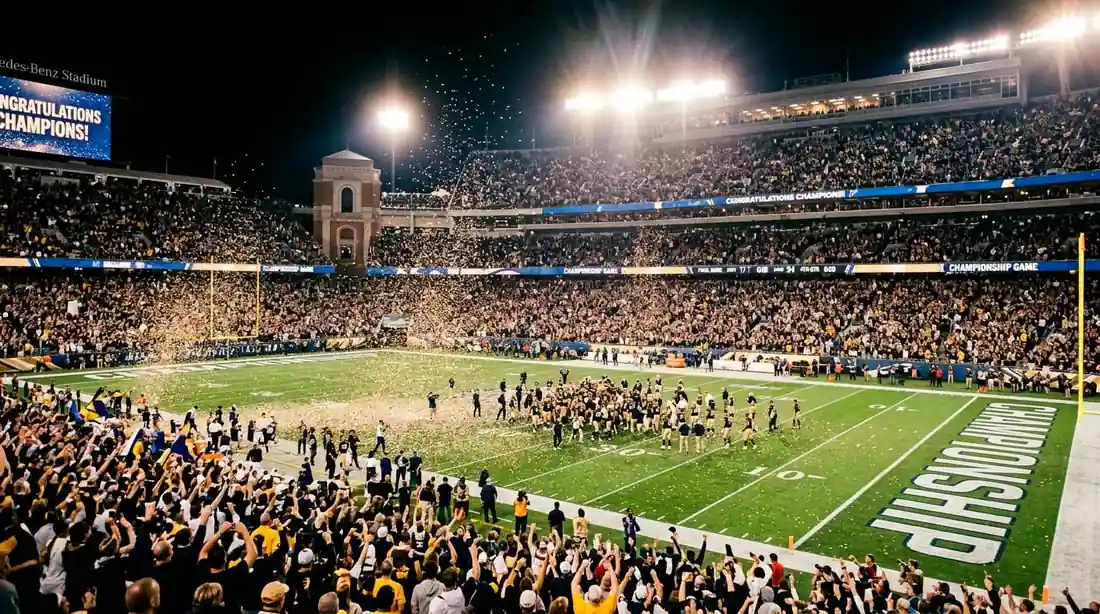
Super Bowl LX generated $1.76 billion in legal wagers. Let that number settle for a moment — nearly two billion dollars bet on a single American football game, in a single country, through legal channels alone. The previous year’s Super Bowl drew 127.7 million television viewers, making it the most-watched broadcast in American history. And every February, a growing number of British bettors set an alarm for the early hours of Monday morning and join in.
I have bet on every Super Bowl since 2015, and each year the experience has expanded. The markets have deepened. The prop offerings have multiplied. The promotional activity from UK bookmakers has intensified. What was once a novelty event for British punters — a curiosity sandwiched between the FA Cup fourth round and the Six Nations — has become one of the biggest single-day betting occasions on the UK calendar.
This guide covers everything you need to place a Super Bowl bet from the UK: the sheer scale of the event as a betting market, the full range of available wagers, the timing of odds releases and line movements, the promotions worth evaluating, and the practical logistics of betting on a game that kicks off well after midnight. Whether this is your first Super Bowl or your tenth, the objective is the same — approach the biggest game in American sport with the same analytical rigour you would apply to any other fixture.
The Scale of Super Bowl Betting
The numbers around Super Bowl betting are so large that they distort your sense of scale. During Super Bowl LIX weekend, FanDuel alone processed more than 16.6 million individual bets from nearly 3 million active users. GeoComply — the geolocation firm that verifies legal betting activity in the United States — recorded a 14% year-on-year increase in active accounts and 724,000 brand-new accounts created during that single weekend. The Super Bowl is not merely a big betting event. It is the betting event that creates bettors.
Macquarie Equity Research framed the longer-term picture: with over 60% of the US population now having access to legal online sports betting, Super Bowl viewership and betting volume are mutually reinforcing. More viewers mean more casual bettors, and more bettors mean more engagement with the broadcast. The research note described the Super Bowl result as “unequivocally positive for the NFL and sportsbooks” in terms of customer acquisition, even when the game outcome went against the books on the primary market.
For UK bettors, the relevant takeaway is that Super Bowl markets are the deepest and most liquid NFL markets you will encounter all year. The volume of money flowing into these markets from the US compresses margins and creates efficient pricing on the main lines (spread, moneyline, total). At the same time, the sheer number of secondary markets — props, specials, quarter bets, exotic combinations — means there are corners of the Super Bowl betting menu where pricing is less rigorous. That tension between hyper-efficient core markets and loosely priced peripherals is what makes the Super Bowl interesting from a strategic standpoint.
The global market for American football betting reached $9.5 billion in 2026, growing at a compound annual rate of 11.5%. The Super Bowl accounts for a disproportionate share of that total — a single game generating roughly 6% of the entire annual betting handle on the sport. No other event in any sport concentrates this much wagering activity into a single fixture.
How to Place a Super Bowl Bet From the UK
Placing a Super Bowl bet from the UK is mechanically identical to placing any other NFL bet. You do not need a separate account, a different platform, or any special access. Any UKGC-licensed sportsbook that offers NFL markets will carry Super Bowl lines. The process is: log in, navigate to American Football, select the Super Bowl, choose your market, enter your stake, confirm.
That said, the Super Bowl experience differs from a standard regular-season week in a few important ways that affect how you should prepare.
First, timing. Super Bowl odds are available for weeks before the game — in some cases, the moment the conference championship games end. The two-week gap between the conference finals and the Super Bowl is the longest pre-game window in the NFL calendar, and the lines move substantially during that period. Placing your bet on the Sunday night after the conference championships locks in early prices that may shift significantly by kick-off. Whether that movement works for or against you depends on which side you take and how the betting public loads up.
Second, account readiness. The Super Bowl attracts a surge of casual bettors, many of whom are placing their first or second NFL wager of the year. UK sportsbooks often tighten identity verification and deposit processing during high-volume periods. If you do not already have a funded account, set one up at least a week before the game. Waiting until Super Bowl Sunday to verify your ID and deposit funds is a recipe for frustration.
Third, market selection. The Super Bowl offers more individual betting markets than any other NFL game — sometimes exceeding 500 distinct options at the largest operators. The challenge is not finding something to bet on; it is filtering the noise. I recommend approaching the Super Bowl the same way you would approach any game: develop a thesis based on your analysis of the matchup, identify which markets best express that thesis, and ignore the rest. The fact that you can bet on the colour of the halftime performer’s shoes does not mean you should.
Fourth, stake planning. The Super Bowl’s promotional intensity encourages bigger bets than usual, and its event-like atmosphere lowers the psychological barrier to impulse wagering. Before you log on, decide your total Super Bowl budget — the maximum you are willing to allocate across all markets — and divide it deliberately. I typically split my Super Bowl stakes into three buckets: a primary bet on my strongest-conviction market (usually the spread or a specific player prop), a secondary bet on a less-correlated market, and a small allocation for a same-game multi that combines elements of both. This structure prevents the common trap of placing twelve unrelated bets because the menu is enormous.
Super Bowl Markets: Beyond the Winner
The game-winner market gets all the attention, but the real depth of Super Bowl betting lies in the secondary markets that most casual bettors either overlook or treat as entertainment. After a decade of betting Super Bowls, I can tell you that the serious edges — the spots where my analysis has paid off most consistently — live in these less-trafficked markets.
Quarter and half markets break the game into segments. You can bet on the first-quarter spread, the first-half total, the highest-scoring quarter, or whether the first half will produce more or fewer points than the second half. These segmented markets reward bettors who study pace and scripted opening drives. Teams often have carefully prepared opening sequences for the Super Bowl — the first 15-20 offensive plays are frequently scripted by the coaching staff — and these tendencies can create predictable first-quarter dynamics that diverge from full-game expectations.
Player prop markets are where the Super Bowl genuinely separates itself from regular-season games. During a standard Week 8 fixture, you might find 15-20 player props. During the Super Bowl, that number can exceed 150. Passing yards, rushing yards, receiving yards, touchdowns, receptions, longest completion, interceptions thrown, sacks recorded — each major statistical category for each prominent player gets its own over/under line. Analysts at Macquarie noted that same-game parlays and prop bets were a slight positive for sportsbooks even when the game result went against them, which tells you how heavily the public engages with these markets and how the margin structure is designed to compensate.
Exotic and novelty props occupy the far end of the spectrum. Coin toss result, length of the national anthem, first song at the halftime show, colour of the Gatorade shower — these are entertainment bets with no analytical basis. The coin toss is a literal 50/50 event, and any odds shorter than evens represent pure bookmaker margin. I include them here because they are part of the Super Bowl experience, but I would not allocate meaningful stakes to any of them. Your money works harder in the player prop and segment markets where preparation actually matters.
One market I consistently find value in: the prop bet on the first touchdown scorer. This market is popular enough to attract heavy casual money — bettors backing star skill-position players — but the pricing does not always reflect the true probability distribution. Running backs who are the primary goal-line option but are not household names frequently offer longer odds than their touchdown probability warrants, because the public gravitates toward recognisable quarterbacks and receivers.
When Super Bowl Odds Open and How They Move
Super Bowl futures markets open the moment the previous Super Bowl ends — sometimes within minutes of the final whistle. At that point, the odds reflect a combination of returning roster talent, draft capital, and the bookmaker’s early assessment of next season’s competitive landscape. These earliest prices are often the loosest of the entire cycle, because so much is unknown (free agency, the draft, coaching changes) and the market is thin.
The next significant price movement happens during NFL free agency in March and the draft in April. A team that signs a marquee free agent or selects a franchise quarterback will see its Super Bowl odds shorten. A team that loses a key player to free agency or misses on a high draft pick will drift. By the time training camps open in July, the odds have already absorbed a full offseason of information and the early value windows have largely closed.
Once the regular season begins, Super Bowl odds adjust weekly based on results, injuries, and strength of schedule. A team that starts 5-0 will see its odds compress significantly. A pre-season favourite that opens 2-3 will drift. By Week 10 or 11, the playoff picture starts to crystallise and the futures market begins to resemble the post-season reality.
The final phase of Super Bowl odds movement happens during the two-week window between the conference championships and the game itself. This is when the public enters the market in force. Casual bettors — many of whom have not placed an NFL wager all season — pile into the favourites. The line moves in response. In my experience, the spread at the opening of this two-week window is more analytically sound than the spread on game day, because game-day pricing reflects public volume rather than sharp assessment. If you have a view, placing it early in that two-week window tends to capture better prices on the less popular side.
A timing edge that few UK bettors exploit: the overnight window. Super Bowl lines move during US business hours when American sharp bettors are most active. If the line shifts meaningfully between Saturday evening (UK time) and Sunday morning, placing a bet during the UK afternoon on Sunday — before the late-afternoon US rush — can sometimes capture a favourable price that US bettors have already moved past.
Prop markets follow a different release schedule. While the main game lines (spread, moneyline, total) appear within hours of the conference championships, the full prop menu rolls out in stages. Basic player props (quarterback passing yards, leading rusher totals) typically appear a week before the game. Deeper props (defensive player stats, quarter-specific props, team-specific novelties) often surface four to five days out. The final wave — the most exotic options — can appear as late as the day before the game. Early prop prices tend to be wider (higher margin), and they tighten as the market matures and absorbs more opinion. Placing prop bets early is not always advantageous; sometimes waiting for the market to sharpen gives you a cleaner picture of where the true value sits.
Super Bowl Promotions at UK Bookmakers
Every year, the Super Bowl triggers the most aggressive promotional cycle in the UK sports betting calendar — and every year, a significant number of bettors claim offers without reading the terms. The gap between the headline (“Bet 10 Get 50 on the Super Bowl!”) and the reality (wagering requirements, market restrictions, time limits) is where the bookmaker’s edge on promotions lives.
UK betting and gaming revenues hit 1,786 million pounds across the April-to-August 2025 period alone — a 9% increase on the prior year — and the Super Bowl weekend contributes a meaningful spike to winter-quarter revenues. Operators invest heavily in acquisition during this window because a bettor who opens an account for the Super Bowl may stay active through the rest of the season and into other sports.
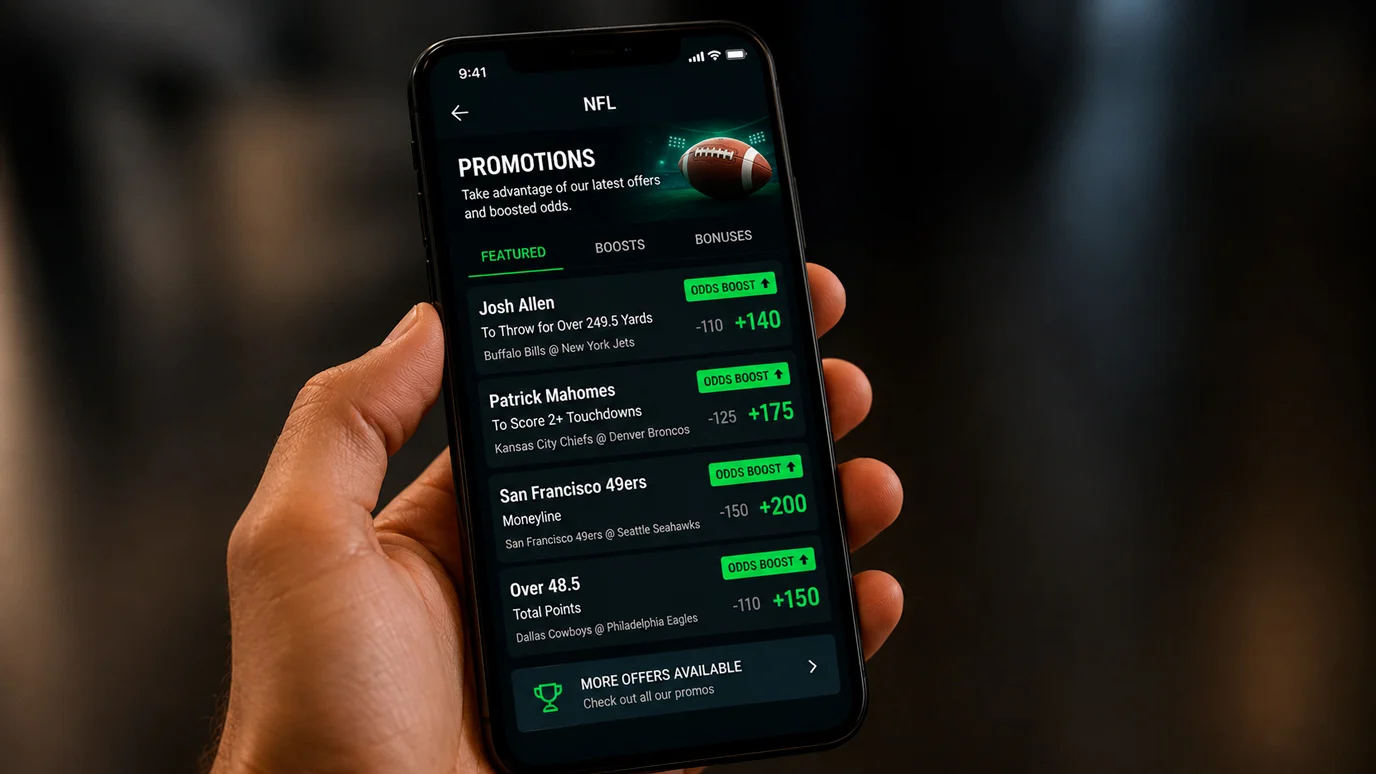
The most common Super Bowl promotion types at UK bookmakers are enhanced odds on specific outcomes (boosted prices on the game winner or first touchdown scorer), free bets triggered by a qualifying deposit or wager, and acca insurance on Super Bowl same-game multis. Each type has a different value profile.
Enhanced odds are the easiest to evaluate. If a sportsbook offers boosted odds of 6/1 on a team that the rest of the market prices at 4/1, the boost has real value — provided the maximum stake is meaningful. Many boosts cap the stake at five or ten pounds, which limits your exposure to the enhanced price. Calculate the expected value at the capped stake: a ten-pound bet at 6/1 versus the true 4/1 gives you an extra 20 pounds of expected payout. That is a clear positive, but it is 20 pounds, not a strategy.
Free bets require more scrutiny. A “Bet 10 Get 40 in free bets” offer sounds generous, but free bets typically do not return the stake — only the profit portion. A 40-pound free bet at evens returns 40 pounds, not 80. The effective value of a free bet is roughly 70-80% of its face value, depending on the odds you use it at. Factor in any wagering requirements (some offers require the free bet winnings to be wagered again before withdrawal) and the effective value drops further. None of this makes free bets worthless — it makes them worth evaluating rather than celebrating.
Watching and Betting the Super Bowl on UK Time
The Super Bowl kicks off at approximately 11:30 p.m. GMT in early February — the exact time varies slightly each year — and the game typically finishes between 3:00 and 3:30 a.m. If you add the pre-game coverage, the halftime show, and the post-game analysis, you are looking at a five-to-six-hour commitment that starts late on a Sunday night and ends in the small hours of Monday morning.
Sky Sports broadcasts the Super Bowl live in the UK under its current deal running through 2028, and in recent years the game has also been available on free-to-air television and through NFL Game Pass. For bettors, the broadcast is essential — not just for enjoyment, but for in-play wagering. The Super Bowl generates some of the most active live betting markets of the year, and being able to watch the game in real time (rather than relying on text updates or a delayed stream) gives you a material advantage in reading game flow.
The practical question every UK Super Bowl bettor faces is: do I stay up, or do I pre-place my bets and check the result in the morning? Both approaches are valid, and the answer depends on whether in-play betting is part of your strategy.
If your Super Bowl betting is limited to pre-game markets — spread, moneyline, total, a few player props — there is no analytical reason to stay awake. Place your bets during the afternoon or early evening, set your stakes, and check the settlements over breakfast. The game result does not change because you were watching.
If live betting is part of your plan, staying up is non-negotiable. In-play Super Bowl markets are the deepest and most responsive of the year, and the halftime break creates a uniquely long window for second-half reassessment. I have found that some of my best Super Bowl results come from second-half bets placed during the halftime show, when the first-half data is fresh and the model has had time to recalculate but the public has not yet digested the coaching adjustments.
One more practical note: if you plan to stay up, prepare your environment. Charge your phone. Have your sportsbook app logged in and your account funded. Know which markets you want to watch. The worst version of late-night Super Bowl betting is scrambling to find a working stream at 11:45 p.m. while your app logs you out for inactivity. Preparation is not glamorous, but at three in the morning it is the difference between sharp execution and tired mistakes.
How do I bet on the Super Bowl from the UK?
Any UKGC-licensed sportsbook that offers NFL markets will carry Super Bowl lines. Log in, navigate to American Football, select the Super Bowl, choose your market (spread, moneyline, total, props, or specials), enter your stake, and confirm. No separate account or platform is needed.
When do UK bookmakers release Super Bowl odds?
Super Bowl futures (outright winner) are available from the moment the previous Super Bowl ends. Specific game lines — spread, total, and player props for the actual matchup — are released once the two finalists are confirmed after the conference championship games, approximately two weeks before the game.
What are the most popular Super Bowl prop bets?
First touchdown scorer, quarterback passing yards, total touchdowns in the game, and anytime touchdown scorer are consistently the highest-volume player and game props. Novelty props (coin toss, national anthem length, halftime show details) attract casual interest but carry no analytical edge.
Can I combine Super Bowl props into an accumulator?
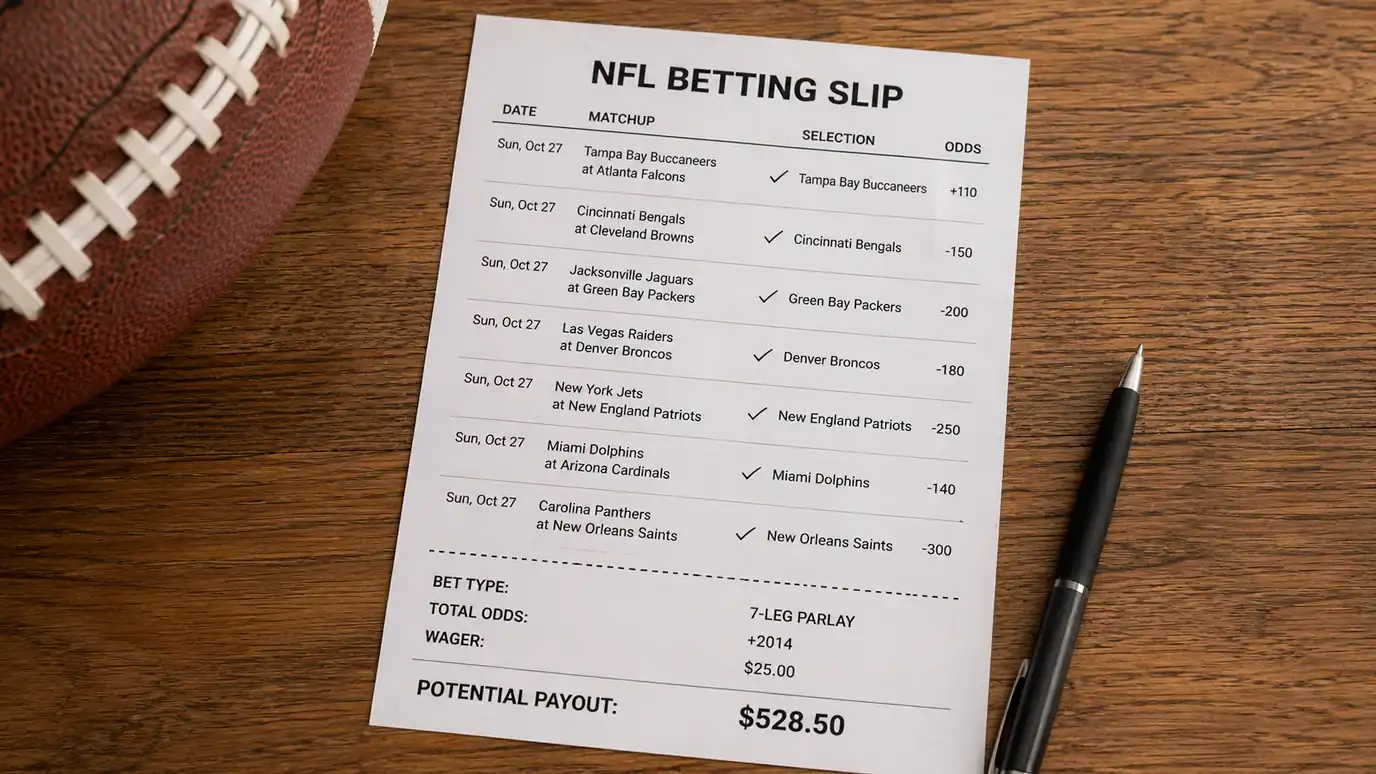
Yes. Most UK sportsbooks offer same-game multi or bet builder features that allow you to combine multiple Super Bowl props and game lines into a single accumulator. Each leg must win for the bet to pay out. Be aware that the compounding bookmaker margin on multi-leg bets works against you.
Written by the editors at Online Sports Betting nfl.