NFL Divisional Rivalries Betting: Why Records Lie in Division Games
 Available in US
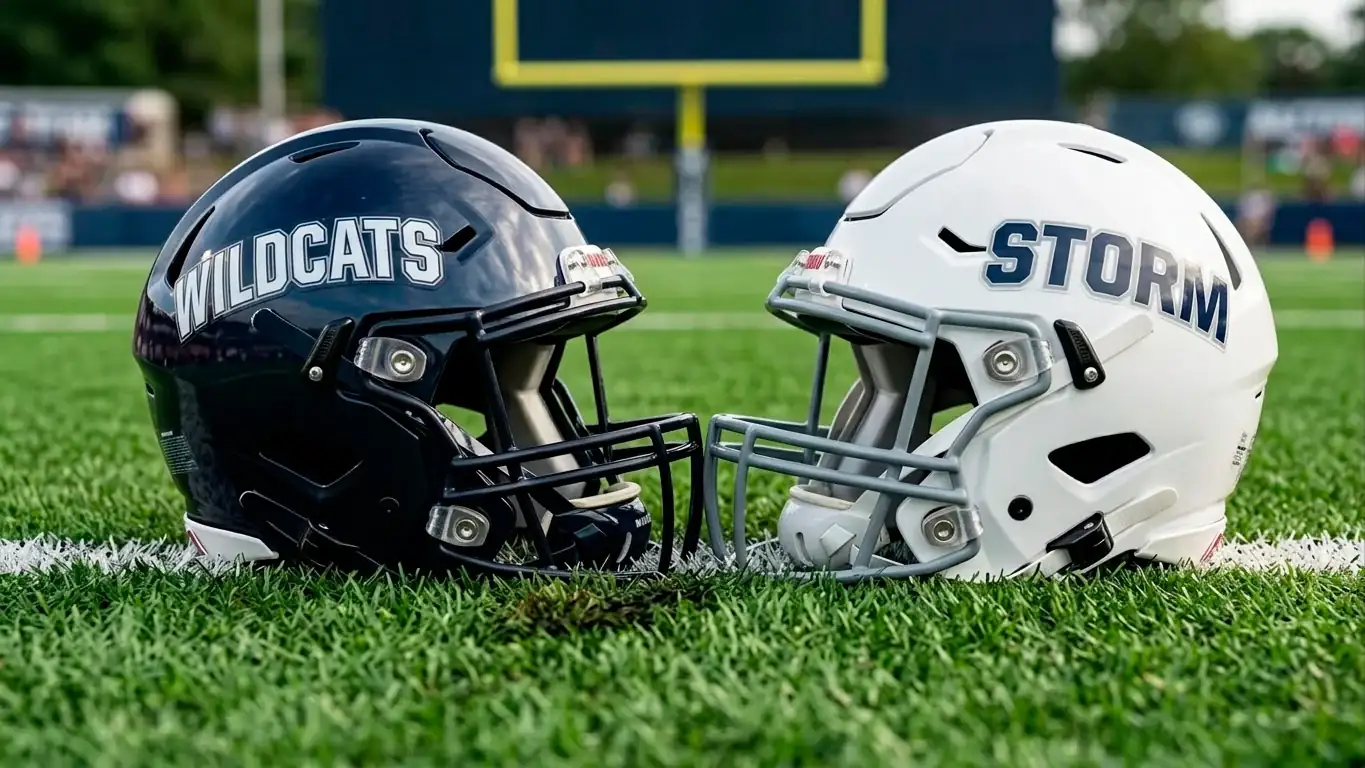
A 12-2 team hosting a 4-10 divisional rival should be an easy handicap. The spread should be double digits, the favourite should cruise, and the result should be boring. Except it rarely works that way. I’ve lost more money underestimating divisional underdogs than on any other bet type in nine years of NFL wagering. The 2024 season hammered this home when a string of heavy divisional favourites failed to cover, costing me a profitable November. The lesson cost money. It also made me fundamentally rethink how I handicap these games.
Divisional games account for six of each team’s 17 regular-season contests — more than a third of the schedule. Teams in the same division play each other twice every season, face the same opponents in the other divisions, and share a geographical and competitive identity that creates animosity ordinary opponents don’t generate. This familiarity and intensity produce betting dynamics that differ from any other NFL matchup type.
Why Large Divisional Spreads Are Dangerous
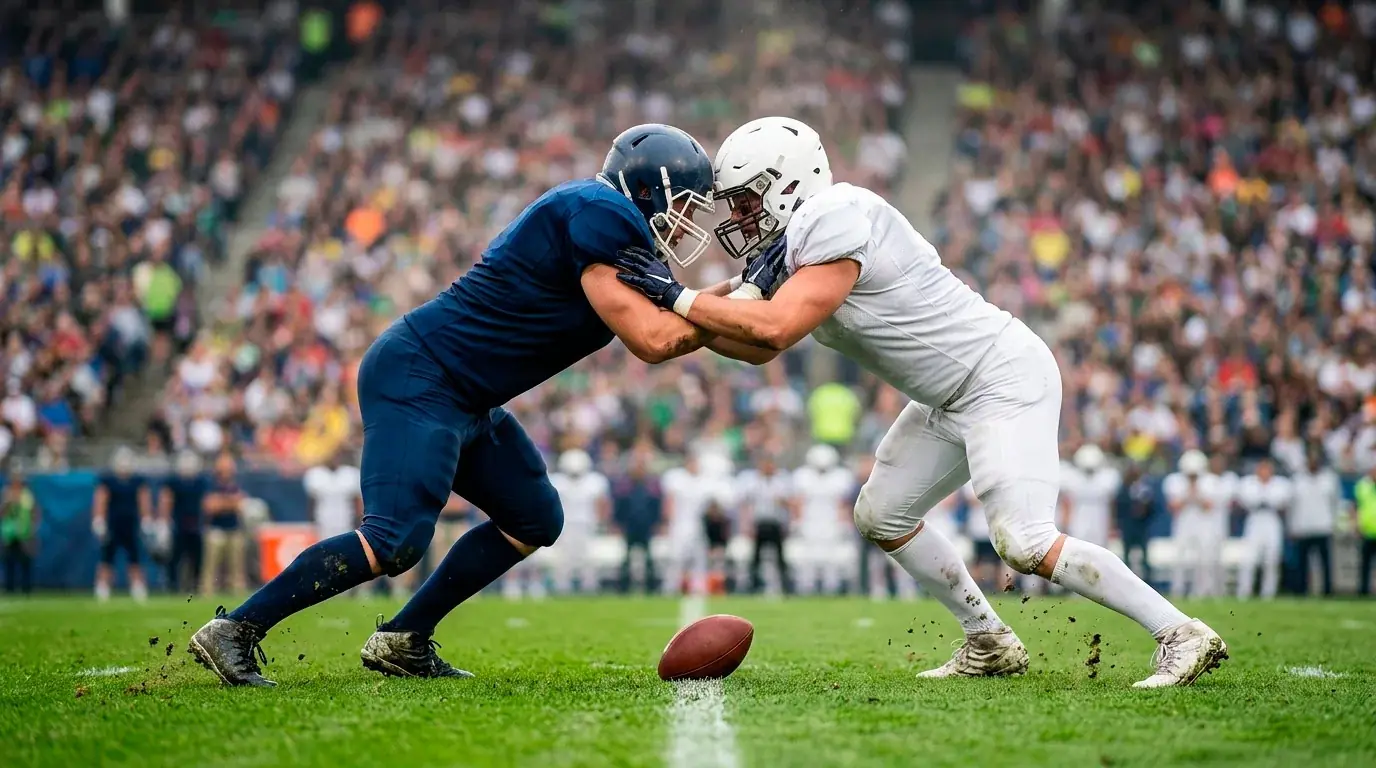
Familiarity compresses margins. When two teams play each other twice a year, plus preseason meetings and shared practice environments in some cases, the coaching staffs know each other’s tendencies at a granular level. The defensive coordinator of a divisional opponent has seen your formations, your motion packages, and your red zone plays on film repeatedly. He knows what your quarterback likes to do on third-and-seven from the left hash. This knowledge neutralises scheme advantages that might dominate against an unfamiliar non-conference opponent.
The data backs this up convincingly. Divisional underdogs of seven or more points cover the spread at a rate above 55% over the last decade. That is an enormous edge — the kind of number that professional bettors build entire systems around. The reason isn’t that bad divisional teams are secretly good. It’s that the point spread is set based on overall team quality, but divisional games compress the performance gap between teams because of mutual familiarity, heightened motivation, and coaching-specific preparation that raises the floor for the inferior team.
I now apply an automatic two-point adjustment to divisional spreads in my model. If the non-divisional spread would be -10, I treat it as -8 for a divisional game. This simple adjustment has improved my divisional ATS record by nearly four percentage points over four seasons.
Second-Meeting Dynamics: Revenge and Adjustment
The NFL schedule pairs divisional opponents for a home-and-away series each season, and the second meeting plays out differently from the first. Whichever team lost the first game has had weeks — sometimes months — to stew on the loss and prepare specific adjustments. The second-meeting revenge factor is real and measurable. Teams that lost the first divisional matchup cover the spread in the rematch at a rate above 53%, with the effect strongest when the first meeting was a blowout loss.
The first meeting also creates a false sense of security for the public. If the Chiefs beat the Raiders 35-10 in Week 5, the betting public expects a similar result in Week 14. But the Raiders’ coaching staff has spent nine weeks studying what went wrong, making personnel changes, and installing specific game-plan adjustments designed for the rematch. The spread for the second meeting often reflects the first-meeting result more than it should, creating value on the team that lost game one.
I keep a divisional matchup journal throughout the season — not just results, but notes on what happened schematically. Which defensive looks gave the opponent trouble? Where did the offensive line struggle? Did the losing team’s coach make second-half adjustments that worked, even if the final score didn’t reflect them? These notes inform my second-meeting handicapping more than any stat sheet. The 47% of British gamblers who prefer sports betting would find this kind of qualitative analysis surprisingly accessible — it’s closer to analysing a Premier League derby rematch than to building a statistical model.
Divisional Totals: Lower, Tighter, More Predictable
Divisional games score fewer points than non-divisional matchups. The average total in divisional games runs two to three points below the non-divisional average, and the under covers at a rate above 53% in divisional matchups. Defensive familiarity is the primary driver — when your defence has seen the opponent’s offence multiple times, you defend it more effectively. But there’s also a game-planning element: coaches are more conservative in divisional games because these are the matchups that determine division titles and playoff seeding. Coaches don’t gamble in games that matter most.
The totals market adjusts for divisional context, but not by enough. I’ve found that the market shaves about one point from divisional totals compared to what the same matchup would receive in a non-divisional context, when the historical data suggests a two-to-three-point adjustment is appropriate. That one-to-two-point gap is the edge.
Late-season divisional games are where the under trend intensifies. By December and January, both teams have played each other once already, defensive coordinators have a full season of film, and the stakes — often involving playoff positioning — encourage conservative football. The under in December divisional games is one of the most reliable trends I track.
Division-Specific Tendencies Worth Tracking
Not all divisions produce the same betting patterns. The NFC North, with Green Bay’s outdoor stadium and Chicago’s lakefront winds, produces more unders than any other division. The AFC West, traditionally featuring high-powered offences, trends toward overs even in divisional play. The NFC East receives disproportionate public betting attention because of the Cowboys’ and Giants’ national profiles, which inflates lines on the popular team and creates value on their less-glamorous divisional opponents.
Roger Goodell’s push for international expansion has brought divisional rivalry games to London and beyond, where 6.2 million viewers per international game tune in. London divisional games add a neutral-site wrinkle that eliminates home-field advantage entirely — neither team benefits from crowd noise or travel familiarity. The spread in London divisional games should remove the standard 1.5-to-2.5-point home-field adjustment, and when it doesn’t, the visitor (who was getting home-field points they shouldn’t) represents value.
The AFC North deserves special mention for bettors interested in weather-influenced divisional games. Baltimore, Pittsburgh, Cleveland, and Cincinnati all play in open-air stadiums in the northeastern United States, where late-season weather turns brutal. Divisional games in the AFC North from November onward combine defensive familiarity, physical rivalry intensity, and harsh weather conditions into a perfect storm for unders. I’ve bet the under in late-season AFC North divisional games with remarkable consistency over the past five years.
Why do NFL divisional underdogs cover the spread so often?
Divisional teams play each other twice per season, creating deep familiarity that compresses the performance gap between them. Defensive coordinators know opposing schemes intimately, and the inferior team’s preparation raises their floor against a familiar opponent. Divisional underdogs of seven or more points have covered at a rate above 55% over the last decade.
Should I adjust NFL totals for divisional matchups?
Yes. Divisional games score two to three fewer points on average than non-divisional matchups due to defensive familiarity, conservative coaching strategies, and the high stakes of games that affect division standings. The under covers at a rate above 53% in divisional games, with the trend intensifying in late-season and second-meeting contests.
Written by the editors at Online Sports Betting nfl.